

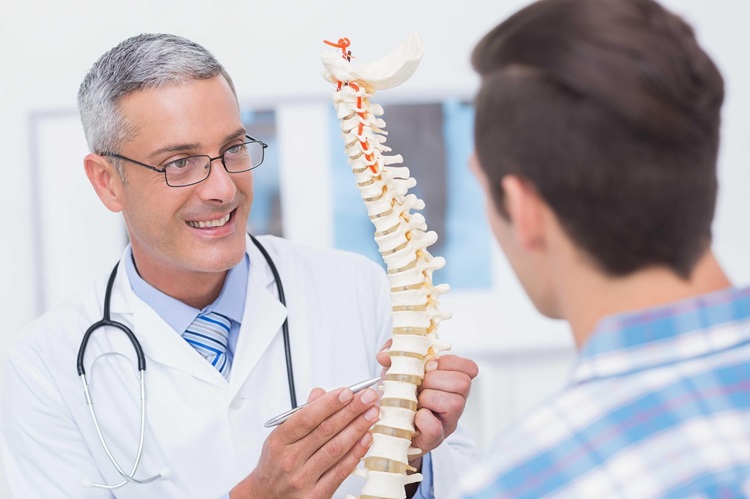
The human spine is much more than a structural support system for the body—it is a central hub for overall health and wellness. From the nervous system to organ function, spinal health plays a crucial role in maintaining balance, mobility, and even mental well-being. Understanding the connection between spinal health and overall wellness is essential for anyone seeking a healthier, more active, and vibrant life.
Understanding the Spine and Its Functions
The spine, or vertebral column, is composed of 33 vertebrae, intervertebral discs, ligaments, muscles, and nerves. It is divided into five regions: cervical (neck), thoracic (mid-back), lumbar (lower back), sacral, and coccygeal (tailbone). Each region has a specific function, but together they work as an integrated system that protects the spinal cord and supports the entire body.
The spinal cord, housed within the vertebral column, is a critical part of the central nervous system. It serves as a communication highway between the brain and the rest of the body, transmitting motor signals, sensory information, and reflex responses. Any misalignment or dysfunction in the spine can interfere with this communication, affecting not only movement but also organ function and overall health.
Pediatric Chiropractic
Pediatric Chiropractic focuses on the gentle, safe care of infants, children, and adolescents, supporting their growth and overall development. By ensuring proper spinal alignment, pediatric chiropractors help optimize nervous system function, which can influence sleep, digestion, immunity, and posture. This specialized care addresses common issues in children, such as colic, ear infections, or growing pains, while promoting healthy spinal habits that can benefit them throughout life. With a holistic, non-invasive approach, pediatric chiropractic emphasizes wellness and prevention, helping young bodies thrive naturally.
The Spine and Nervous System Health
A healthy spine is closely linked to a healthy nervous system. Misalignments, commonly referred to as subluxations in chiropractic terms, can place pressure on nerves and disrupt normal signal transmission. This can lead to pain, numbness, or weakness in various parts of the body. Beyond physical discomfort, spinal issues may impact vital bodily functions such as digestion, circulation, and immune response.
For example, spinal nerve compression in the cervical region may result in headaches or migraines, while misalignments in the thoracic region can interfere with heart or lung function. Even minor spinal irregularities can create a cascade of issues over time, affecting overall wellness in subtle but meaningful ways.
Spinal Health and Pain Management
Chronic pain is one of the most common indicators of spinal dysfunction. Back pain alone affects millions of people worldwide, with causes ranging from poor posture to degenerative disc disease. Pain is not just a symptom; it is the body’s warning system signaling that something is wrong. Ignoring spinal health can lead to a cycle of discomfort, reduced mobility, and even mental health challenges like stress or depression.
Maintaining spinal alignment through regular check-ups, proper ergonomics, and corrective therapies like chiropractic care can alleviate pain and prevent future complications. Activities such as stretching, yoga, and core-strengthening exercises also contribute to a healthier spine and, by extension, a more comfortable, active life.
The Spine’s Role in Physical Performance
Athletes and active individuals understand the importance of spinal health for performance. A flexible and strong spine enhances balance, coordination, and endurance. Proper spinal alignment allows muscles and joints to function efficiently, reducing the risk of injuries and promoting faster recovery.
Even everyday activities like lifting, bending, or walking rely heavily on spinal health. When the spine is aligned and strong, the body moves with fluidity and minimal strain. Conversely, poor spinal health can lead to imbalances, overcompensation by certain muscle groups, and chronic fatigue.
Posture and Its Impact on Overall Health
Posture is a direct reflection of spinal health. Modern lifestyles, often dominated by prolonged sitting and screen use, have contributed to a rise in poor posture, including slouching and forward head positioning. Poor posture not only causes back and neck pain but also affects organ function, circulation, and respiratory efficiency.
For instance, slouched posture compresses the chest cavity, restricting lung capacity and reducing oxygen intake. Over time, this can contribute to fatigue, decreased cognitive function, and even digestive issues. Maintaining good posture, supported by a healthy spine, is therefore essential for both physical and mental well-being.
Spinal Health and Mental Wellness
The connection between spinal health and mental wellness is increasingly recognized in the medical community. Chronic pain and spinal dysfunction can contribute to anxiety, depression, and sleep disturbances. Conversely, interventions that improve spinal alignment, such as chiropractic adjustments, massage therapy, or targeted exercise, can reduce stress levels, improve sleep quality, and enhance mood.
The nervous system, anchored by the spine, regulates the body’s stress response. A well-aligned spine allows for optimal nerve function, supporting the balance of hormones like cortisol and serotonin, which play a crucial role in mental health.
Lifestyle Factors for Maintaining Spinal Health
Maintaining spinal health requires a proactive approach that combines lifestyle habits, physical activity, and professional care. Some key strategies include:
-
Regular Exercise: Core-strengthening exercises support the spine and improve flexibility. Activities like swimming, yoga, and Pilates are particularly beneficial.
-
Proper Ergonomics: Using ergonomic chairs, adjusting screen height, and practicing good lifting techniques reduce spinal strain.
-
Healthy Weight: Excess weight increases pressure on the spine, contributing to pain and degenerative changes.
-
Nutrition: A diet rich in calcium, vitamin D, and anti-inflammatory foods supports bone health and reduces inflammation.
-
Professional Care: Regular visits to a chiropractor, physical therapist, or orthopedic specialist help maintain alignment and prevent long-term complications.
Preventing Spinal Issues Early
Prevention is always better than cure. Early intervention for spinal misalignments or discomfort can prevent chronic conditions and promote long-term wellness. Simple measures, such as stretching before physical activity, avoiding prolonged periods of sitting, and being mindful of posture, can significantly reduce the risk of spinal problems.
Parents should also pay attention to children’s spinal health. Encouraging proper posture, active play, and backpack safety can help prevent developmental issues and establish healthy habits that last a lifetime.
Holistic Benefits of Spinal Care
Chiropractic care, physical therapy, and other spinal-focused interventions are not just about pain relief—they contribute to holistic wellness. Improved spinal alignment enhances nervous system function, which can positively influence immune health, digestion, circulation, and mental clarity. Many patients report higher energy levels, better sleep, and improved overall quality of life following regular spinal care.
By addressing the root cause rather than just symptoms, spinal care helps the body function optimally. This holistic approach aligns with modern wellness principles, emphasizing balance, prevention, and long-term health.
Conclusion
The spine is much more than a structural component of the body; it is a vital conduit for overall wellness. From supporting the nervous system to enhancing physical performance, managing pain, and influencing mental health, spinal health is intricately linked to every aspect of life.